 Xem Studiomeasured geometry
Library › Aircraft design › Ground-effect design ·
Ground effect: height/span ratio and induced-drag reduction
How close to the ground does a wing need to be for ground effect? · Standard part · basis: Design rules and figures from the cited sources; example geometry by Xem Studio
Also called: ground effect, ground effect height, ground effect induced drag, wing in ground effect height, ground effect wingspan rule, wieselsberger ground effect, ground effect percentage, how high is ground effect, h/b ground effect, ground effect rc
Exact dimensions. True size, with no printing tolerance added.
- sizes
- 6 in table
Notes
- Near the ground the wingtip vortices and downwash are suppressed, cutting induced drag. At constant CL the reduction is about 1.4% at one span height, 23.5% at a quarter span and 47.6% at a tenth of a span (FAA-handbook values as reproduced by The Wise Pilot).
- NASA's tests of low-AR wings found Wieselsberger's h/b theory agreed with experiment for h/b of about 0.03-0.25, but underestimated the benefit below 0.03; the percentage gain in L/D at a given height is the same regardless of aspect ratio (NASA TN D-926).
- Lift-curve slope also rises near the ground while lift at 0 deg stays nearly constant; at h/c = 1 the wings were essentially out of ground influence (NASA TN D-926).
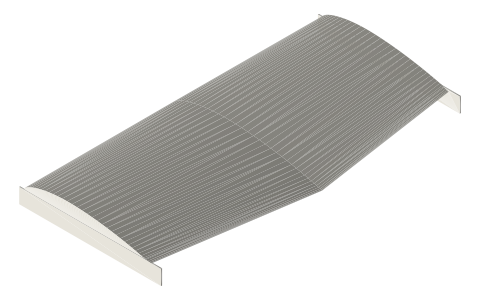
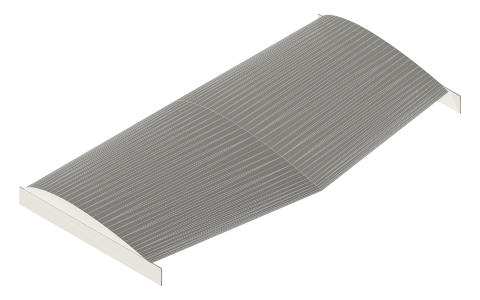
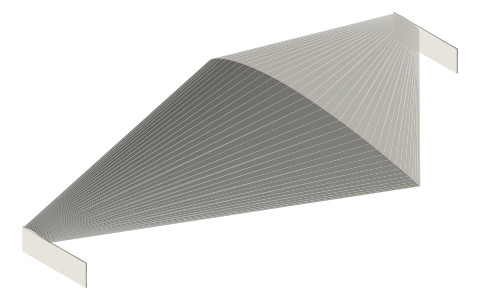
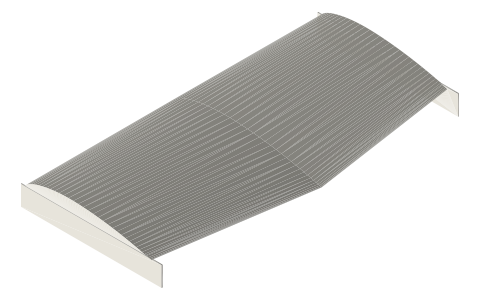
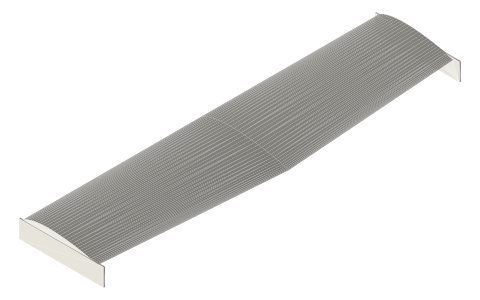
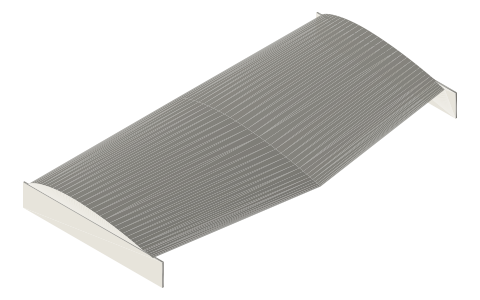
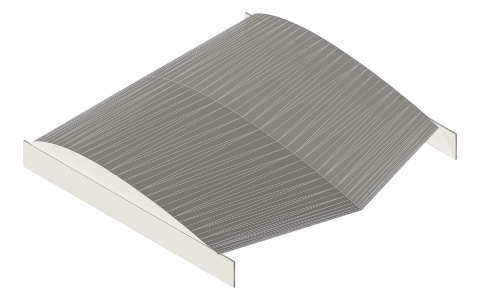
- The file is a reference example built by Xem Studio from the numbers above. Sizes the sources do not fix are illustrative; scale the example to your own vehicle.
Ground effect: height/span ratio and induced-drag reduction size chart
| parameter | value or range | source |
|---|---|---|
| Induced drag reduction, h = 1 span | about 1.4% | The Wise Pilot (FAA values) |
| Induced drag reduction, h = 1/4 span | about 23.5% | The Wise Pilot (FAA values) |
| Induced drag reduction, h = 1/10 span | about 47.6% | The Wise Pilot (FAA values) |
| Wieselsberger theory valid range (tests) | h/b ~0.03-0.25 | NASA TN D-926 |
| Out of ground influence (chord basis) | h/c = 1 | NASA TN D-926 |
| Reference build | span 600, chord 300 (AR 2) endplated | computed |
Where the files are
Other publishers' files are linked, not hosted. "verify" = check the license at the link before commercial use.
| The Wise Pilot (pilot training page; values match FAA PHAK ground-effect figure) | Ground Effect | web | Publisher's page; dimensions are facts |
| NASA Langley (Fink & Lastinger) | Aerodynamic Characteristics of Low-Aspect-Ratio Wings in Close Proximity to the Ground, NASA TN D-926 (1961) | web | Publisher's page; dimensions are facts |
Free files
★ Free files 1 parts. Xem Studio design: free to use, print and sell things from; not to be republished as files. Xem Studio Design License. index.json
| ground-effect-height-span-ratio-wing | endplated wing: span 600, chord 300 mm, anhedral 0°, endplates 30 mm (scale to your craft) | STEP · STL |
https://xemstudio.com/mcp to Claude, ChatGPT, Cursor or any MCP client (free, no account, one minute) and it can look up exact sizes, mating fits and free STEP/STL from every chat.Plain text: sheet.txt · JSON: /api/geometry?object=ground-effect-height-span-ratio
Fits with
Questions
When does ground effect start?
It is small (about 1.4% induced-drag cut) at one span and strong (47.6%) at a tenth span (FAA values via The Wise Pilot).